
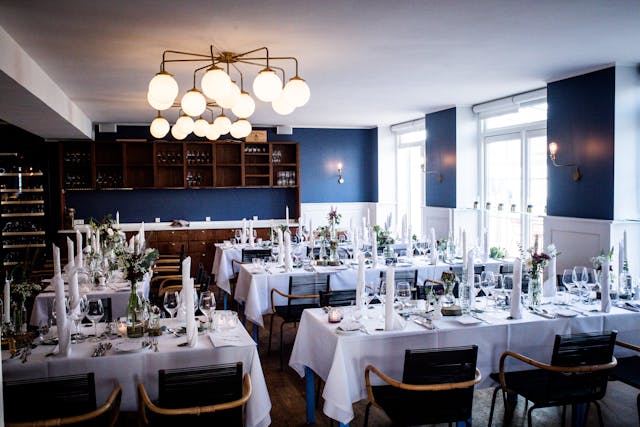
Planning events today means balancing creativity with responsibility. Businesses and organizers seek spaces that leave lasting impressions while respecting the environment. Choosing eco-friendly venue choices shows clients that you value innovation, care for the planet, and understand modern event expectations. These venues inspire positive engagement while lowering waste and carbon emissions. The key takeaway: Sustainable venues blend memorable experiences with ecological responsibility.
Planning with Purpose
Building on this, modern event planning merges aesthetics with sustainability. Organizers focus on creating experiences that deliver visual appeal without heavy environmental costs. Selecting venues that reuse materials, minimize waste, and support green energy sources gives your event a cleaner footprint. Clients notice when sustainability aligns with professional excellence.
Hotels and conference centers with recycling programs, energy-efficient lighting, and reusable décor are in demand.
Smart Preparation with Sustainable Packing Practices
Behind every successful event lies efficient preparation. Supplies, decorations, and catering tools must travel safely and sustainably. Using sustainable packing solutions ensures materials stay protected while minimizing waste. Reusable crates, compostable packaging, and recycled paper fillers are smart alternatives to single-use plastics.
You can also adopt eco-friendly ways to pack delicate items. Soft fabrics, repurposed linens, and biodegradable bubble wraps keep glassware and centerpieces safe. Many rental companies now offer eco-certified containers for transporting décor. These actions cut costs over time and show a commitment to long-term environmental responsibility.
Venues That Run on Renewable Energy
Electricity use is a major factor in event sustainability. Venues that rely on solar, wind, or hydro power stand out for their forward-thinking approach. The MGM Grand in Las Vegas, for example, runs a large portion of its operations on renewable sources. This allows clients to enjoy vibrant experiences without the guilt of excessive energy waste.
Lighting systems equipped with motion sensors, low-flow water fixtures, and renewable-energy certificates reinforce the venue’s eco-conscious mission. Attendees appreciate when their experience contributes to cleaner air and reduced emissions.
The Allure of Green Architecture
Modern architecture blends design and efficiency. Many venues use recycled materials, natural ventilation, and rooftop gardens to control temperature and create healthy indoor climates. The Vancouver Convention Centre features a six-acre living roof that provides natural insulation while supporting native plant life.
These details go beyond appearances. They make spaces more comfortable and healthier for attendees. Clients view such venues as partners in environmental progress, not just service providers.
Options for Flexible Events
Flexibility defines modern gatherings. A mobile venue allows planners to create personalized experiences anywhere — from open fields to urban courtyards. Solar-powered event trailers, pop-up structures made from recycled steel, and portable stages powered by battery units help maintain sustainability in motion.
For example, mobile event pods in California use self-contained water and power systems, leaving no environmental trace. This mobility enables creativity while ensuring each event supports environmental goals.
Alt: A group of tables with white tablecloths
Caption: Mobile venues bring creativity anywhere. Solar-powered pods and portable stages make sustainable events flexible and unforgettable.
Incorporating Local Sourcing for Food and Décor
Supporting local vendors reduces transport emissions and enriches the experience with authentic touches. Caterers using local produce serve fresher meals, while florists who source nearby minimize packaging and delivery impacts.
Choosing seasonal ingredients and local décor materials minimizes energy waste and strengthens the connection between the event and its surroundings, proving that sustainability enhances both flavor and authenticity.
Waste Reduction as a Creative Strategy
Minimizing waste begins at the planning stage. Using digital invitations, composting leftover food, and reusing décor items make a strong environmental statement. Some venues partner with donation programs that distribute surplus meals to local charities.
Organizers can also encourage guests to join recycling efforts by setting up attractive collection points and clear signage. Turning waste management into part of the event design keeps attendees aware and engaged.
Technology Supporting Eco Events
Digital solutions reduce the need for printed materials and streamline coordination. Virtual check-ins, event apps, and online feedback systems save paper and simplify logistics. Hybrid events — combining virtual and physical attendance — also lower travel emissions while extending reach.
Venues with digital infrastructure, smart thermostats, and LED projection systems show that technology and sustainability can complement each other. These upgrades attract eco-conscious clients seeking efficiency and innovation.
Hosting with a View
Few settings compare to the elegance of waterfront event locations. Natural light, open air, and scenic backdrops create unforgettable experiences without excessive decoration. Coastal and riverside eco-friendly venue choices often integrate natural cooling from breezes, reducing energy consumption.
Waterfront venues naturally balance beauty, comfort, and efficiency. Their open-air layouts and natural lighting reduce the need for artificial cooling and heavy décor, creating an atmosphere that feels effortless yet refined. These venues invite guests to connect with nature, making every event feel both elegant and environmentally responsible.
Highlighting Eco-Friendly Venue Choices Across the Globe
Sustainable event opportunities exist in every region, offering planners spaces that balance innovation with responsibility. From repurposed industrial halls to botanical conservatories powered by renewable energy, cities continue to reinvent how gatherings can reduce waste and embrace efficiency. These venues prove that environmental awareness can coexist with elegance and professional impact, allowing organizers to create meaningful experiences without excess or compromise.
Clients today expect events to reflect responsibility as much as style. Highlighting these venues positions you as an informed planner who adapts to modern expectations.
Encouraging Collaboration with Eco-Conscious Partners
Sustainability strengthens when shared among partners. Working with eco-certified decorators, catering teams, and waste-management providers guarantees consistency. Vendors who value efficiency and conservation often bring innovative ideas to the table.
Encouraging teamwork underlines that sustainability isn’t a single decision but a culture. Clients see cooperation as a mark of reliability and leadership.
Education as Part of the Experience
Informing attendees about eco practices transforms passive observation into active participation. Signs explaining compost bins, digital QR menus, or energy-saving reminders help guests feel involved. When people learn through experience, they remember the event more clearly and respect the organizer’s values.
Workshops, guided tours, or brief sustainability talks before sessions also increase awareness without taking time away from main activities.
The Impact of Eco-Friendly Venue Choices
Modern businesses care about the planet and presentation in equal measure. Choosing eco-friendly venue choices reinforces trust, professionalism, and awareness of global change. Each decision — from energy sources to décor and catering — builds an event identity that balances function and conscience.