
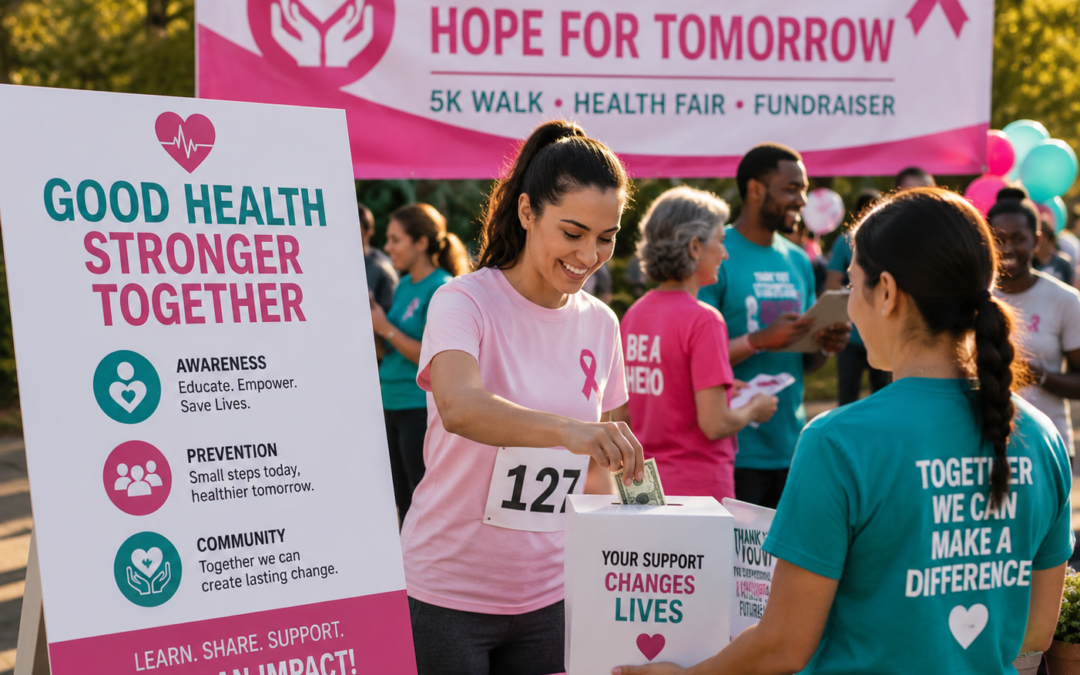
Health awareness campaigns are initiatives designed to inform and educate the public about specific health issues, conditions, or preventive measures. They aim to enhance knowledge and understanding, prompting individuals to take action toward improving their health and well-being. These campaigns often incorporate a mix of media channels, including television, radio, print, and digital platforms, to reach a wide audience.
The core of health awareness campaigns lies in their ability to communicate important health information effectively. By utilizing compelling narratives, engaging visuals, and relatable scenarios, these campaigns can resonate with diverse audiences, encouraging them to adopt healthier lifestyles or seek medical advice. For example, campaigns that educate the public about fatty liver disease can raise awareness of risk factors, early symptoms, and preventive measures. Incorporating expert opinions and testimonials further strengthens the message, making it more credible and impactful.
Beyond education, these campaigns also play a crucial role in establishing a supportive community that fosters dialogue and collaboration. By creating a shared space for individuals to discuss their health challenges and successes, awareness campaigns can inspire collective action and drive societal change. This sense of community is instrumental in amplifying the reach and effectiveness of the campaign’s objectives.
The Importance of Health Awareness in Fundraising
Health awareness holds significant importance in the realm of fundraising, particularly for events focused on health-related causes such as improving access to affordable IVF and other essential medical treatments. These campaigns not only raise awareness about critical health issues but also generate empathy and support from the public, which is essential for successful fundraising efforts.
By aligning fundraising events with health awareness campaigns, you can leverage the emotional connection people have with health causes. This connection often translates into increased donations, as individuals are more likely to contribute to causes they understand and care about. For example, campaigns that raise awareness about conditions such as lumbar spondylosis can inspire support for research, treatment programs, and patient assistance initiatives. Such alignment also helps in building trust with potential donors, as they can see the direct impact of their contributions on health-related initiatives.
Moreover, health awareness campaigns can enhance the visibility of your fundraising efforts. By tapping into existing networks and communities that are already engaged with health issues, you can expand your reach and attract a broader audience. This increased exposure not only benefits the immediate fundraising goals but also lays the groundwork for future support and engagement. For example, initiatives focused on wellness and body transformation can continue to attract participants, donors, and advocates long after the initial campaign has ended, helping to sustain long-term community involvement.
Key Elements of Successful Health Awareness Campaigns
Creating effective health awareness campaigns involves several key elements that ensure the message resonates with the target audience and achieves the desired impact. Understanding these components is essential for anyone looking to integrate such campaigns into their fundraising efforts.
- Clear Objectives: Define what you aim to achieve with your campaign. Whether it’s raising awareness about a specific health issue, educating people about available hair treatment options, or promoting preventive measures, having clear goals will guide your strategy and help measure success.
- Target Audience: Identify and understand your audience’s demographics, preferences, and behavior. Tailoring your message to address their specific needs and concerns will increase engagement and effectiveness.
- Compelling Content: Develop content that is informative, relatable, and inspiring. Use storytelling, testimonials, and data to create a narrative that resonates with your audience on an emotional level.
- Multi-Channel Approach: Utilize a variety of media channels to reach a wider audience. Combining traditional media with digital platforms like social media, blogs, and email marketing can enhance your campaign’s reach and impact.
- Partnerships and Collaborations: Collaborate with health organizations, influencers, and community leaders to amplify your message. Such partnerships can provide credibility and access to resources that enhance your campaign’s effectiveness.
By focusing on these elements, you can design a health awareness campaign that not only informs and educates but also inspires action and drives successful fundraising outcomes.
How Health Awareness Campaigns Drive Community Engagement
Community engagement is a pivotal aspect of health awareness campaigns, as it fosters collaboration, support, and active participation. By engaging communities, these campaigns can create a ripple effect that extends beyond individual awareness to collective action.
Health awareness campaigns often serve as a catalyst for community involvement by providing opportunities for individuals to come together and share their experiences, challenges, and successes. This sense of community fosters a supportive environment where people feel empowered to take part in initiatives that promote health and well-being.
Moreover, engaging communities in health awareness campaigns can lead to the formation of partnerships with local organizations, schools, and businesses. These partnerships can provide valuable resources, expertise, and networks that enhance the campaign’s reach and impact. Community events, workshops, and seminars can further strengthen these connections, creating a sense of ownership and commitment to the cause.
Ultimately, driving community engagement through health awareness campaigns not only amplifies the campaign’s message but also creates a sustainable movement that can address health challenges at a grassroots level. This collective effort is crucial for achieving long-term success and fostering a healthier society.
Strategies for Integrating Health Awareness with Fundraising Events
Integrating health awareness campaigns with fundraising events requires strategic planning and execution to ensure both objectives are met effectively. Here are some strategies to consider when merging these two initiatives:
- Thematic Alignment: Ensure that the health awareness campaign aligns with the theme and objectives of the fundraising event. This alignment will create a cohesive message that resonates with the audience and reinforces the importance of the cause.
- Interactive Activities: Incorporate interactive activities that educate participants about the health issue while engaging them in the fundraising process. Workshops, demonstrations, or health screenings can provide valuable information and create memorable experiences that encourage donations.
- Storytelling and Testimonials: Use storytelling and testimonials to connect emotionally with your audience. Sharing real-life stories of individuals affected by the health issue can highlight the urgency and impact of the fundraising efforts, motivating attendees to contribute.
- Incentives and Recognition: Offer incentives or recognition for participants who contribute to the cause. This could include certificates, shoutouts, or exclusive access to certain event features. Recognizing contributions fosters a sense of appreciation and encourages further support.
By implementing these strategies, you can create a seamless integration of health awareness and fundraising efforts, maximizing engagement and achieving your goals.
Measuring the Impact of Health Awareness on Fundraising Success
Measuring the impact of health awareness campaigns on fundraising success is essential for evaluating effectiveness and informing future strategies. Here are some key metrics and methods to consider:
- Donation Tracking: Monitor the number and amount of donations received during and after the campaign. Comparing these figures to previous fundraising efforts can provide insights into the campaign’s effectiveness in driving contributions.
- Engagement Metrics: Analyze engagement metrics such as social media interactions, website traffic, and event attendance. High levels of engagement typically indicate a successful campaign that resonates with the audience.
- Surveys and Feedback: Conduct surveys and gather feedback from participants to assess their awareness and understanding of the health issue. This qualitative data can provide valuable insights into the campaign’s impact on knowledge and perception.
- Partnership Outcomes: Evaluate the outcomes of partnerships and collaborations formed during the campaign. Successful partnerships often result in increased resources and support, indicating a positive impact.
By systematically measuring these aspects, you can assess the effectiveness of your health awareness campaign and its contribution to fundraising success. This data-driven approach will guide future initiatives and help refine your strategies for even greater impact.
Best Practices for Planning Health Awareness Campaigns
Planning a successful health awareness campaign requires careful consideration and attention to detail. Here are some best practices to ensure your campaign is effective and impactful:
- Research and Planning: Conduct thorough research to understand the health issue and its impact on the target audience. Develop a detailed plan outlining objectives, timelines, budgets, and resources needed for the campaign.
- Stakeholder Involvement: Engage stakeholders such as healthcare professionals, community leaders, and affected individuals in the planning process. Their insights and expertise can enhance the campaign’s credibility and relevance.
- Message Consistency: Maintain consistency in messaging across all campaign materials and platforms. A clear, unified message reinforces the campaign’s objectives and ensures the audience receives a coherent narrative.
- Evaluation and Adaptation: Implement a system for ongoing evaluation and adaptation. Regularly assess the campaign’s performance and make necessary adjustments to optimize results and address any challenges.
By adhering to these best practices, you can design and execute a health awareness campaign that effectively informs, engages, and inspires action.
Leveraging Social Media for Health Awareness and Fundraising
Social media is a powerful tool for amplifying health awareness campaigns and fundraising efforts. With its vast reach and interactive nature, social media can significantly enhance your campaign’s visibility and engagement.
- Platform Selection: Choose the right social media platforms based on your target audience and campaign objectives. Each platform offers unique features and demographics, so select those that align best with your goals.
- Content Strategy: Develop a content strategy that includes a mix of informative posts, engaging visuals, and interactive elements like polls and Q&A sessions. Consistent and diverse content keeps your audience engaged and informed.
- Influencer Partnerships: Collaborate with influencers who resonate with your cause and audience. Their endorsement can amplify your message and attract new supporters to your campaign.
- Community Building: Use social media to build a community around your cause. Create groups, host live events, and encourage discussions to foster a sense of belonging and collective action.
By leveraging social media effectively, you can expand the reach of your health awareness campaign and drive significant support for your fundraising efforts.
Conclusion: The Future of Health Awareness Campaigns in Fundraising
As health awareness campaigns continue to evolve, their role in fundraising is becoming increasingly pivotal. These campaigns not only educate and inform but also inspire action and foster community involvement. By effectively integrating health awareness with fundraising efforts, you can create impactful campaigns that drive success and make a meaningful difference.
Looking to the future, the potential for innovation and collaboration in health awareness campaigns is immense. Embracing new technologies, engaging diverse audiences, and fostering partnerships will be key to enhancing the effectiveness and reach of these initiatives.