
Understanding the Importance of Atmosphere in Wellness Events:
Creating a serene atmosphere is essential to help participants feel relaxed and rejuvenated. The right setting promotes mental clarity, reduces stress, and supports the goals of activities like meditation, yoga, or holistic workshops. To design an effective atmosphere, consider your audience’s preferences. Different groups may define a “relaxing environment” differently, so gathering insights beforehand helps create a space that feels welcoming and calming for everyone.
Choosing the Right Venue for Your Wellness Event:
The venue should reflect your wellness event’s theme and provide a sense of natural calm—think scenic views, open-air spaces, or quiet, secluded surroundings. Elements like abundant natural light, floor cushions, and adaptable layouts can enhance the setting for activities such as yoga, meditation, or workshops.
Equally important is accessibility. Choose a location that’s easy to reach, with convenient parking or nearby public transportation. A venue that blends serenity with practicality helps ensure a smooth, comfortable, and engaging experience for all attendees.
Color Psychology and Its Impact on Relaxation:
Color psychology helps set the tone for a wellness event. The right colors can evoke emotions, promote relaxation, enhance focus, and create a soothing atmosphere.
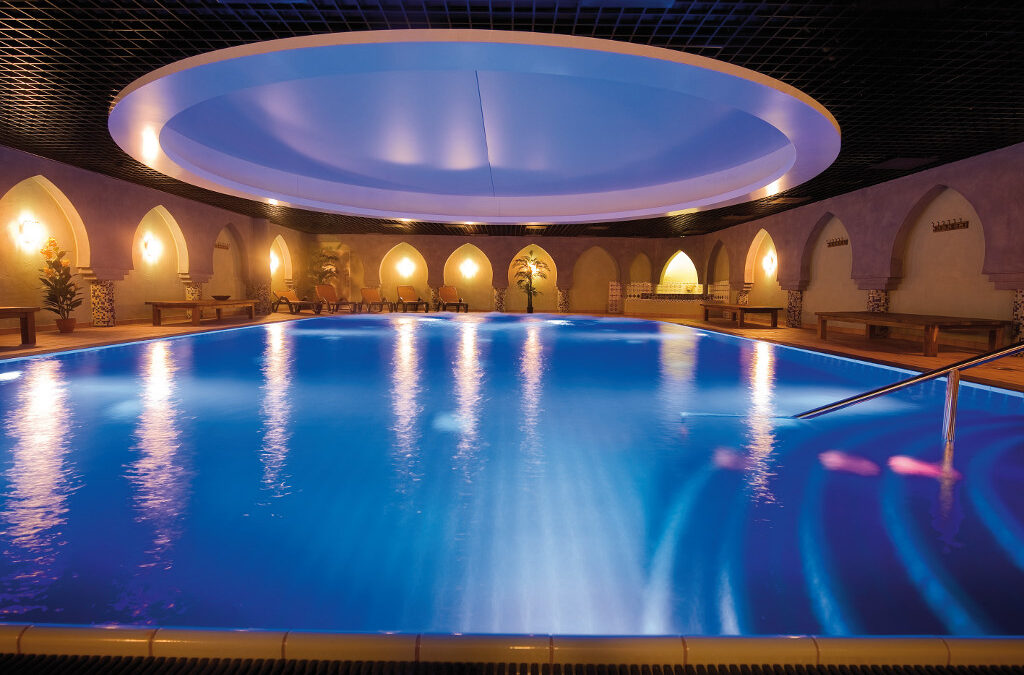
- Blue: Often associated with calmness and serenity, blue is an excellent choice for wellness events. It can evoke feelings of peace and tranquility, making it ideal for spaces intended for meditation or quiet reflection, much like the soothing effect of mulberry silk duvet sets in a restful bedroom environment.
- Green: Symbolizing growth and nature, green can foster a sense of balance and harmony. It is particularly effective in settings that aim to reconnect participants with the natural world.
- Neutral Tones: Colors like beige, gray, and soft whites create a clean and uncluttered backdrop. These tones can make a space feel more open and inviting, allowing participants to focus on the event without distractions.
It’s important to consider the psychological effects of colors when planning the event decor. By strategically selecting and pairing colors, you can craft an atmosphere that supports the event’s objectives and enhances the participants’ overall experience.
Utilizing Natural Elements in Event Design:
Incorporating natural elements into a wellness event can greatly enhance its calming atmosphere. Use plants and flowers to bring a touch of nature indoors. They add visual appeal, improve air quality, and make the space more inviting. Choose low-maintenance plants like succulents, ferns, or peace lilies and consider providing self-care items such as a serum for glowing skin to complement the holistic ambiance.
Water features, such as small fountains or aquariums, can also contribute to a serene setting. The sound of flowing water is known to be calming and can serve as a gentle backdrop to the event’s activities. Additionally, incorporating natural materials like wood, stone, and bamboo in the decor can further enhance the connection to nature and promote a sense of peace and relaxation.
Sensory Considerations: Sound, Light, and Smell
The sensory elements of sound, light, and smell are crucial in crafting a relaxing atmosphere for wellness events.
Sound: Curate a playlist of soothing music or nature sounds to play in the background.
Light: Use lighting strategically to influence the mood. Natural light is ideal, but if that’s not possible, opt for soft lighting solutions.
Smell: Scent can be a powerful tool in enhancing mood. Essential oils like lavender, chamomile, or eucalyptus can be diffused to promote relaxation, and a skin specialist can guide you in choosing oils that benefit both mood and skin health.
By thoughtfully considering these sensory elements, you can create an immersive environment that captivates the senses and fosters a space of calm and tranquility.
Incorporating Mindfulness Practices into Event Design:
Mindfulness practices can be seamlessly integrated into the design of a wellness event, providing participants with opportunities for introspection and personal growth.
Consider incorporating:
- Guided Meditation Sessions: Offer short guided meditations at the beginning or end of the event. These can help set the tone or provide closure, allowing participants to center themselves and reflect on their experiences.
- Mindful Movement: Activities like yoga, tai chi, or gentle stretching can be integrated into the schedule. These practices promote physical relaxation and mental clarity, enhancing the event’s overall impact.
- Journaling Stations: Set up areas where participants can sit and write reflections or intentions. Provide prompts or questions to guide their thoughts, facilitating deeper engagement with the event’s themes.
Incorporating these mindfulness practices not only provides added value to the event but also aligns with the overarching goal of promoting wellness and serenity.
The Role of Furniture and Layout in Promoting Serenity:
The furniture and layout of your wellness event play a significant role in establishing a serene atmosphere. Thoughtful arrangement and selection of furnishings can enhance the flow of the event and contribute to the participants’ comfort and ease.
Choose furniture that is both functional and aesthetically pleasing. Soft, plush seating options like sofas or upholstered chairs can invite relaxation, while modular furniture allows for flexible configurations that can adapt to different activities.
The layout should facilitate smooth movement and interaction. Create distinct zones for various activities, ensuring there is a logical flow between them. For example, position relaxation areas away from more active zones to minimize distractions. Clear signage can help guide participants through the space, enhancing their experience and reducing stress.
By focusing on the furniture and layout, you can create an environment that supports the event’s objectives and promotes a sense of calm and connectedness among participants.
Conclusion:
Creating a relaxing atmosphere for wellness events goes beyond aesthetics. It shapes an experience that supports personal growth and fosters community among participants. A well-designed environment enhances wellness practices and mindfulness.
By thoughtfully integrating key elements such as the right venue, color schemes, natural elements, and sensory details, you can craft a space that promotes well-being and contributes to the event’s overall success.