
30 seconds summary
- Planning the perfect destination wedding means combining romance with smart organization.
- Couples should choose a location that fits their style, budget, and guests’ comfort, while also considering travel, weather, and legal requirements. Hiring local experts, sending details early, and focusing on guest experience can make the event smoother and more memorable.
- Current trends include location-inspired decor, intentional minimalism, sustainability, and multi-day celebrations. Above all, the best destination weddings balance beauty, practicality, and personal meaning.
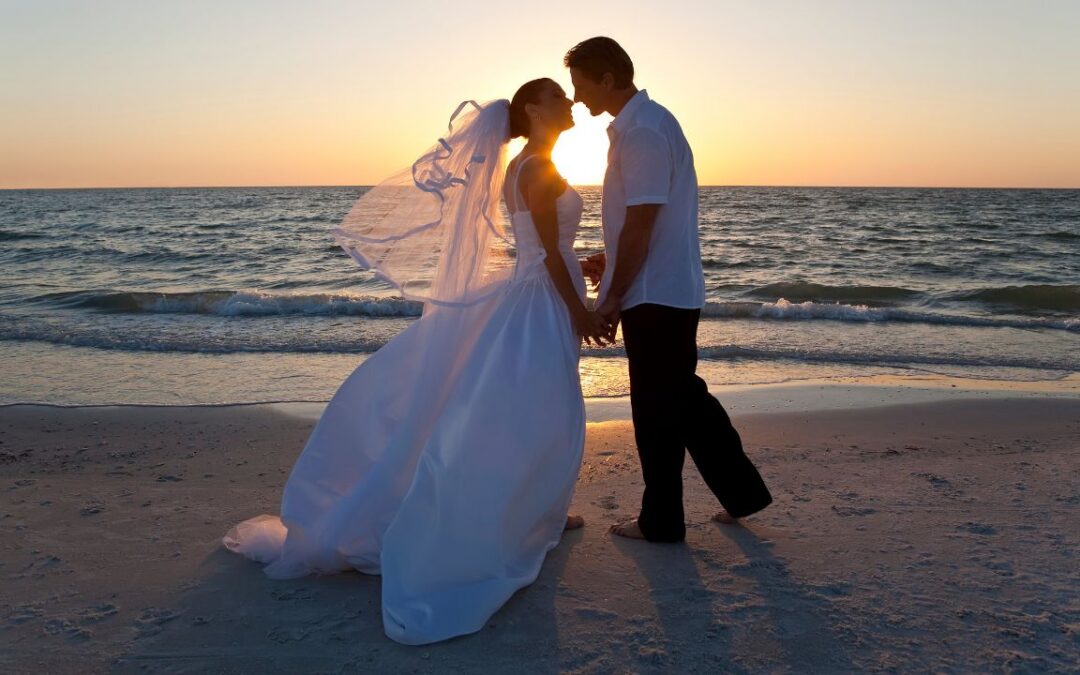
A wedding is more than a ceremony; it is a once-in-a-lifetime experience that reflects a couple’s personality, love story, and dreams for the future. For many couples, the idea of saying “I do” in a breathtaking location far from home is especially appealing. Whether it is a barefoot ceremony on a tropical beach, a vineyard celebration in the countryside, or a luxurious event in a historic European city, a Destination Wedding offers romance, adventure, and unforgettable memories all in one.
Planning a destination wedding, however, is very different from organizing a traditional local event. It combines the excitement of travel with the complexity of wedding logistics, requiring careful coordination, thoughtful budgeting, and strong communication. With the right strategy, couples can create a celebration that is both beautiful and stress-free for themselves and their guests.
Why Destination Weddings Are So Popular
Destination weddings have become increasingly popular because they offer a unique and intimate atmosphere. Unlike large hometown weddings that may feel formal or rushed, destination celebrations often unfold over several days, giving couples more time to connect with loved ones. Guests are not just attending a ceremony; they are sharing a full experience that may include welcome dinners, excursions, beach outings, brunches, and farewell events.
Another reason destination weddings are so appealing is that they allow couples to personalize their day in a truly memorable setting. The location itself becomes part of the celebration. A sunset ocean backdrop, snow-capped mountains, a cliffside resort, or a charming villa can enhance the mood and reduce the need for heavy decoration. In many cases, the natural scenery becomes the wedding’s most powerful design feature.
Destination weddings can also feel more intentional. Since traveling requires extra commitment, the guest list is often smaller, leading to a more intimate event. Couples can focus on quality time, meaningful details, and a relaxed pace rather than trying to host a huge crowd.
Start with a Clear Vision
The first step in planning the perfect destination wedding is defining the overall vision. Before selecting a venue or sending invitations, couples should talk through what they want the celebration to feel like. Do they imagine a laid-back beach gathering, an elegant luxury affair, a rustic countryside retreat, or a cultural city experience? Establishing a clear style early makes every later decision easier.
It is also important to think about season, weather, and accessibility. A dreamy tropical destination may be less appealing during hurricane season, while a mountain wedding may require guests to navigate difficult terrain. Consider whether the location matches both your dream aesthetic and your practical needs.
Couples should also discuss what matters most to them. For some, it is incredible photography and scenery. For others, it may be guest comfort, gourmet dining, privacy, or a built-in honeymoon atmosphere. Knowing your priorities helps guide your budget and planning choices.
Budget Realistically
One of the biggest misconceptions about destination weddings is that they are always cheaper than traditional weddings. Sometimes they are, especially with smaller guest counts, but not always. Travel, shipping, resort fees, vendor transport, welcome gifts, and extra event days can add up quickly.
A strong budget should include more than just the ceremony and reception. Couples should account for:
- Venue and accommodation costs
- Flights and transportation
- Vendor fees and travel expenses
- Legal paperwork and marriage license requirements
- Meals outside the wedding day
- Welcome bags or guest favors
- Décor, rentals, and floral arrangements
- Backup plans for weather
- Hair, makeup, attire, and alterations
- Photography and videography
It is wise to set aside a contingency fund for unexpected expenses. International weddings, in particular, may involve currency changes, import taxes, or last-minute travel adjustments.
If budget is a concern, couples can save money by choosing off-peak travel dates, selecting all-inclusive packages, using local seasonal flowers, and simplifying décor. A stunning setting often needs fewer visual additions, which can help reduce overall design costs.
Choose the Right Destination
The perfect destination balances beauty, convenience, and meaning. Some couples choose a place they have always wanted to visit, while others return to a location that holds sentimental value, such as where they got engaged or took their first trip together.
When evaluating destinations, think about guest travel time, passport requirements, safety, language barriers, and climate. An exotic location may sound exciting, but if it is too difficult or expensive for most guests to reach, attendance may drop.
The best destination is not necessarily the trendiest one. It is the one that fits your style, budget, and guest experience.
Hire Local Experts
A local wedding planner can be one of the smartest investments for a destination wedding. Even highly organized couples benefit from someone who knows the venue, vendors, legal requirements, and regional customs. A planner on the ground can manage timelines, inspect setups, solve problems quickly, and coordinate communication across time zones.
If a full-service planner is beyond budget, consider at least hiring a day-of coordinator or venue-based wedding specialist. Many resorts offer in-house planners who can assist with packages, ceremony design, menus, and vendor bookings.
Local photographers, florists, caterers, and musicians can also make the process smoother. They understand the environment and usually know how to handle location-specific factors such as heat, humidity, wind, travel times, and lighting conditions.
Before booking vendors, review portfolios, ask for video calls, read contracts carefully, and confirm exactly what is included. Strong communication is essential when you are planning from a distance.
Keep Guests in Mind
A destination wedding is a special experience, but it asks more of guests than a local celebration. Travel costs, time off work, childcare, and logistics can be challenging, so thoughtful planning goes a long way.
Send save-the-dates early, ideally eight to twelve months in advance. This gives guests time to budget, arrange travel, and request time off. Wedding websites are especially useful for destination events because they allow couples to share hotel options, transportation details, dress codes, weather information, and activity suggestions in one place.
Try to offer accommodation choices at different price points. Not every guest will want to stay at the same luxury resort, so nearby options can help make attendance more accessible. Sharing airport information, shuttle options, and local travel tips also reduces stress.
Understand the Legal Details
One of the most overlooked parts of destination wedding planning is the legal side. Marriage laws vary by country and sometimes even by region. Some locations require blood tests, waiting periods, translated documents, witness rules, or residency requirements before couples can legally marry there.
Because of this, many couples choose to handle the legal marriage at home and treat the destination event as the symbolic celebration. This approach often reduces paperwork stress and allows more flexibility. Others prefer to complete the legal process in the destination itself, especially if the location holds deep emotional importance.
Whichever route you choose, research the requirements early and confirm them with your planner or local authorities. Do not leave legal matters until the last minute.
Dress for the Destination
Fashion for destination weddings has shifted toward comfort, movement, and climate-friendly elegance. Couples are still embracing sophistication, but with more practicality built into their choices.
For beach weddings, lightweight fabrics such as chiffon, organza, crepe, and linen work well. Heavy satin or large ball gowns may feel uncomfortable in hot or windy conditions. Brides increasingly choose gowns with relaxed silhouettes, detachable sleeves, or shorter trains for ease of movement. Grooms are embracing lighter suits in breathable materials and sometimes skipping the tie for a more relaxed look.
Footwear matters too. High heels and soft sand do not mix well, and cobblestone streets can be difficult in delicate shoes. Stylish flats, block heels, sandals, and polished loafers are becoming more common.
Current Design and Decor Trends
Destination wedding trends continue to evolve, with many couples moving away from overly staged events and toward immersive, experience-driven celebrations.
One major trend is location-inspired styling. Rather than forcing a theme that competes with the setting, couples are designing weddings that complement it. Coastal weddings may use soft neutrals, driftwood textures, and airy florals, while vineyard weddings may feature warm earth tones, candlelight, and rustic-luxury details.
Another strong trend is intentional minimalism. Couples are choosing fewer but more meaningful design elements. Statement ceremony arches, elegant tablescapes, and curated lounge areas are often favored over excessive decoration. This not only photographs beautifully but also keeps the event feeling refined instead of cluttered.
Welcome gifting has also become more thoughtful and personalized. Instead of generic favors, many couples provide locally inspired welcome bags with snacks, maps, handwritten notes, sunscreen, mini beverages, or useful travel items.
Create a Meaningful Guest Experience
What truly makes a destination wedding unforgettable is not just the scenery but the overall feeling guests take home. The most successful events are those where people feel welcomed, comfortable, and connected.
Consider the emotional journey of the celebration. A warm arrival, a joyful ceremony, delicious food, and relaxed opportunities for conversation all help create a memorable atmosphere. Small thoughtful touches often matter more than expensive extras. Personalized welcome notes, local snacks in hotel rooms, fans for a hot ceremony, blankets for a cool evening, or transportation support can make a big difference.
Couples should also leave room in the schedule for rest. Overloading the itinerary can turn a joyful celebration into a tiring obligation. A balance of planned events and free time helps guests enjoy both the wedding and the destination.
Conclusion
Planning the perfect destination wedding requires more than choosing a beautiful place. It demands thoughtful coordination, clear communication, realistic budgeting, and a focus on both the couple’s vision and the guest experience. Yet when done well, it creates something truly extraordinary: a celebration that feels like a wedding, a vacation, and a deeply personal love story all at once.
The key is to stay grounded in what matters most. Trends can inspire, but the most memorable destination weddings are the ones that feel authentic to the couple. Whether your dream is a tropical beach, a peaceful mountain retreat, or a romantic historic city, success comes from blending beauty with practicality and style with intention.