
Planning an outdoor festival in Central Park starts with understanding what makes this location special. The park attracts residents, visitors, performers, and vendors who all expect clear organization and a welcoming tone. A strong vision helps guide decisions on music, food, crowd flow, and timing. Central Park offers open lawns, shaded paths, and iconic backdrops that influence how people move and gather. Early planning sets expectations for scale, sound, and atmosphere. When the purpose stays clear from the start, each later decision supports a consistent experience that feels intentional rather than rushed.
Understanding the Space and Its Limits
Before committing to layouts or schedules, you have to learn how to plan an outdoor event in New York City. Start by studying how different areas of Central Park function during busy days. Each section has capacity limits, noise considerations, and nearby foot traffic. Some lawns support large crowds while others suit smaller performances. Park rules define where stages, tents, and food setups can operate. Understanding these limits prevents last-minute changes that disrupt planning. This step also shapes realistic attendance goals and safety plans.
Permits, Timelines, and City Coordination
City approval shapes every phase of organizing an event. Permits cover sound levels, vendor placement, security, and cleanup responsibilities. Each permit follows a review process that takes time, especially during peak seasons. Early submission allows room for revisions without pressure. City departments coordinate park use, public safety, and nearby access points. Clear timelines keep contractors and performers aligned. Delays in paperwork often affect staging and promotion plans. Treat permits as a planning anchor rather than a formality. This approach keeps schedules realistic and avoids conflicts that can affect attendance.
Building a Program That Holds Attention
Planning an outdoor festival in Central Park balances energy and rest across the day. Music, talks, or performances should vary in pace to prevent fatigue. Short breaks allow people to explore food and activity areas without missing key moments. Program flow affects crowd movement and congestion. Transitions matter as much as headline acts. Clear scheduling supports audience comfort and performer readiness. Thoughtful programming shows respect for both guests and staff. When activities feel well-paced, people stay longer and leave with positive impressions. Strong structure helps the event feel welcoming instead of overwhelming.
Visual Planning and Shareable Moments
Visual appeal shapes how guests remember and share the experience. Thoughtful stage placement, signage, and seating create order and comfort. Natural light, trees, and skyline views add character without extra build. Design choices should support photos without blocking movement. Guests often seek Instagrammable spots, so consider how color, banners, and lighting appear on camera. Visual consistency across areas helps the festival feel cohesive. Clear sightlines also improve safety and enjoyment. When visuals support function, guests move easily and capture moments that extend the event’s reach.
Sound, Power, and Technical Readiness
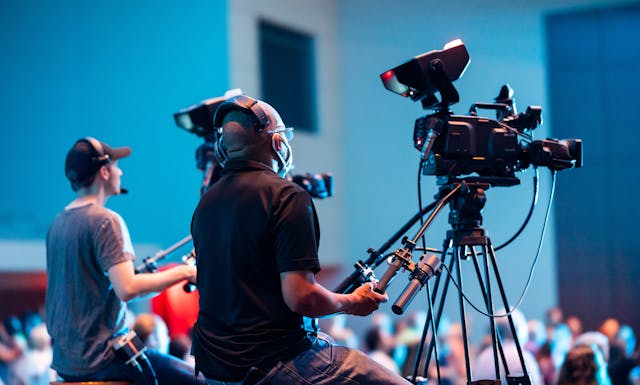
Outdoor sound behaves differently from indoor setups. Open space disperses audio, so speaker placement requires testing and adjustment. Power needs vary by stage size, lighting, and vendor equipment. Backup power prevents disruptions during peak moments. Technical rehearsals reveal issues before guests arrive. Sound checks also respect park noise rules and nearby areas. Clear communication between technicians and performers reduces delays. Technical readiness supports comfort and clarity throughout the day. When systems run smoothly, attention stays on the experience rather than on problems.
Crowd Flow and Comfort Planning
Crowd movement affects safety and mood. Entry points, rest areas, and food lines must remain clear. Shade and water access support comfort during warm hours. Seating options allow rest without blocking walkways. Staff presence guides guests and answers questions. Clear signage reduces confusion and clustering. Planning for varied arrival times spreads demand across entrances. Comfort planning encourages longer stays and positive behavior. A calm crowd reflects thoughtful layout choices that respect both people and space.
Vendor Selection and Food Coordination
Food and retail vendors shape the pace of the festival. Variety supports different preferences and dietary needs. Vendor placement affects line length and traffic flow. Power and waste needs require coordination with site plans. Clear guidelines keep vendors aligned with park standards. Staggered service peaks reduce congestion. Reliable vendors support smooth operations and guest satisfaction. When food access feels easy, guests focus on enjoying the program. Vendor coordination supports both comfort and revenue goals without causing disruption.
Staffing, Roles, and Successful Execution
Clear roles support calm operations. Staff should know who handles setup, guest support, and issue response. Briefings align everyone on schedules and expectations. Radio or messaging systems keep teams connected. Volunteers benefit from visible leaders and clear instructions. Staffing plans must adapt to crowd size and weather. Successful execution depends on preparation rather than reaction. When teams feel informed, they act confidently. Strong coordination keeps small issues from growing into larger problems during the event.
Promotion, Timing, and Audience Awareness
Promotion should match the scale and tone of the festival. Clear messaging sets expectations on timing, access, and activities. Local channels reach nearby audiences who can attend easily. Timing affects turnout, especially during weekends or holidays. Weather awareness shapes backup plans and communication. Consistent updates build trust with attendees. Promotion works best when it informs rather than oversells. Clear information helps guests plan their visit and arrive prepared.
Closing the Experience With Care
A well-planned outdoor festival in Central Park ends with the same care used at the start. Clear closing times, guided exits, and prompt cleanup protect the space and guest experience. Post-event review helps refine future plans and partnerships. Feedback from staff, vendors, and attendees highlights what worked well. Ending on a calm note leaves a positive final impression. When the event respects the park and its visitors, it builds goodwill for future gatherings. Thoughtful planning ensures the experience feels complete and rewarding.