
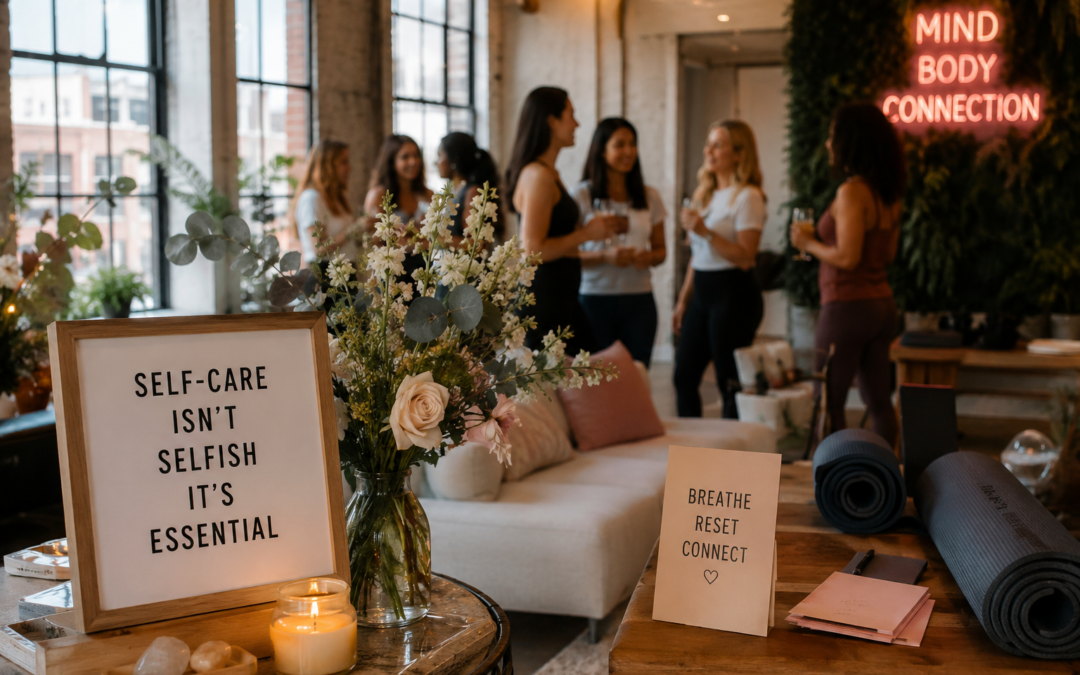
In recent years, the concept of self-care has transcended personal routines and moved into the realm of social events. This shift signifies a broader understanding of wellness, where taking care of oneself is not just a solitary endeavor but a communal one. As society becomes more aware of mental health and well-being, incorporating self-care into social gatherings has become a trend that is reshaping the way people connect and celebrate.
Social events, traditionally seen as occasions for recreation and networking, are now being reimagined to include elements that promote wellness. This change is not just about adding a yoga session here or a meditation corner there; it is about fundamentally transforming the purpose and atmosphere of events to prioritize health and self-care. Many wellness-focused gatherings now even feature experiences such as a facial spa service, allowing participants to relax and rejuvenate as part of a holistic self-care journey. The new paradigm encourages participants to engage in activities that nourish their mind, body, and spirit, fostering a holistic sense of well-being.
By embracing self-care as an integral part of social events, hosts are not only enhancing the experience of their guests but also addressing a growing demand for spaces where individuals can recharge. This trend reflects a cultural shift towards valuing personal wellness and signifies a recognition that self-care can be a shared experience, enriching social interactions and creating more meaningful connections. As wellness trends evolve, interest in advanced treatments such as exosome therapy also reflects a broader focus on proactive health and rejuvenation.
The Importance of Wellness in Gatherings
Wellness plays a crucial role in the success of social events. With the increasing pressures of modern life, attendees are seeking gatherings that offer more than just entertainment. They desire environments that promote relaxation, rejuvenation, and personal growth. Incorporating experiences such as Balinese massage into wellness-focused events can elevate the sense of relaxation and provide participants with a memorable self-care experience. By integrating wellness into events, you can create a space that meets these needs, ultimately enhancing the overall experience for participants.
Incorporating wellness into social gatherings acknowledges the diverse needs of attendees. It recognizes that people come from different backgrounds and face unique challenges, and therefore, providing opportunities for self-care can make events more inclusive. Even details such as choosing comfortable yet elegant formal dresses can contribute to attendees feeling confident and at ease throughout the occasion. Whether it’s through stress-relieving activities, healthy food options, or spaces designed for reflection, wellness-focused events cater to a wide range of preferences and requirements.
Moreover, events that prioritize wellness can have lasting positive impacts on their participants. By promoting self-care practices, these gatherings encourage individuals to adopt healthier lifestyles beyond the event itself. This ripple effect not only benefits the attendees but also contributes to a more health-conscious community. In this way, the importance of wellness in gatherings extends far beyond the immediate experience, fostering a culture of care and mindfulness.
Benefits of Incorporating Self-Care into Social Events
Incorporating self-care into social events offers a multitude of benefits for both hosts and attendees. One of the primary advantages is the enhancement of participant engagement. When guests feel cared for and relaxed, they are more likely to engage fully in the event, leading to a more vibrant and interactive atmosphere. Even thoughtful touches, such as themed dress codes featuring replica lawn outfits for daytime gatherings, can contribute to a comfortable and welcoming experience.
Another significant benefit is the promotion of mental and emotional well-being. Events that integrate self-care elements can serve as a refuge from the stresses of everyday life, providing attendees with a much-needed opportunity to unwind and recharge. This focus on well-being can lead to improved mood, reduced anxiety, and increased satisfaction with the event experience. Sharing these positive experiences through social media video services can also help inspire others to embrace wellness-focused events and expand their reach to a wider audience.
Finally, self-care-focused events can foster a sense of community and connection among attendees. By participating in wellness activities together, guests can bond over shared experiences and form deeper relationships. This sense of camaraderie can transform a simple gathering into a memorable and meaningful occasion, where individuals leave not only feeling better about themselves but also more connected to those around them.
Trends in Self-Care at Social Gatherings
As the demand for self-care in social events grows, several trends have emerged that reflect this shift. One popular trend is the inclusion of wellness workshops and sessions within events. These can range from guided meditation classes to nutrition workshops, offering attendees practical tools and knowledge to enhance their well-being.
Another trend is the incorporation of nature and outdoor settings into events. As people seek to disconnect from technology and reconnect with the natural world, events held in gardens, parks, or other outdoor venues have become increasingly popular. These settings not only provide a serene backdrop but also facilitate activities like hiking, yoga, and mindfulness exercises that promote well-being.
Additionally, technology is playing a role in the evolution of self-care at social gatherings. Apps and digital platforms are being used to enhance the wellness experience, offering features such as event-specific meditation guides, personalized self-care plans, and virtual wellness challenges. These technological integrations allow for a more personalized and engaging experience, catering to the diverse needs and preferences of attendees.
Practical Tips for Planning Wellness-Focused Events
Planning a wellness-focused event requires careful consideration and creativity. Here are some practical tips to help you design an event that prioritizes self-care:
- Understand Your Audience: Consider the needs and preferences of your attendees. Conduct surveys or polls to gather input on what wellness activities and amenities they would value most.
- Choose the Right Venue: Select a location that supports your wellness goals. Look for spaces that offer natural light, fresh air, and room for movement. Outdoor venues can be particularly effective in promoting relaxation and tranquility.
- Curate a Balanced Agenda: Include a variety of wellness activities that cater to different interests and energy levels. Balance active sessions like yoga or dance with more reflective options such as meditation or journaling.
- Focus on Nutrition: Offer healthy food and beverage options that align with your wellness theme. Consider including plant-based or organic options and ensure there are choices for various dietary needs.
- Create Relaxation Zones: Designate areas where attendees can unwind and practice self-care independently. These could include comfortable seating areas, quiet zones for reflection, or spaces for guided relaxation exercises.
By following these tips, you can create an event that not only meets the needs of your attendees but also sets a standard for wellness-focused gatherings.
Activities and Ideas for Self-Care at Social Events
Incorporating self-care activities into your event can enhance the overall experience for attendees. Consider the following ideas:
- Mindfulness Workshops: Offer guided sessions on meditation, breathing techniques, or mindfulness practices to help attendees center themselves and reduce stress.
- Creative Arts: Facilitate activities like painting, pottery, or writing workshops. Creative expression can be a powerful form of self-care, allowing individuals to connect with their emotions and unwind.
- Fitness Classes: Incorporate movement-based activities such as yoga, tai chi, or dance classes. Physical activity not only boosts mood but also encourages social interaction and community building.
- Nature Walks: Organize guided nature walks or hikes. Spending time in nature has been shown to reduce stress and improve mental health, making it an ideal addition to wellness-focused events.
- Wellness Panels: Host discussions or panels with experts on topics related to health, nutrition, and self-care. These sessions can provide valuable insights and inspire attendees to adopt healthier habits.
By integrating these activities into your event, you can create a dynamic and engaging experience that promotes well-being and self-care.
The Role of Mindfulness in Social Gatherings
Mindfulness, the practice of being present and fully engaged in the moment, plays a critical role in enhancing social gatherings. When incorporated into events, mindfulness can transform the atmosphere, encouraging attendees to connect more deeply with themselves and others.
Practicing mindfulness in social settings helps individuals become more aware of their thoughts, emotions, and interactions. This heightened awareness can lead to more meaningful conversations and a greater appreciation for the moment, ultimately fostering a sense of connection and community among attendees.
Integrating mindfulness into events can be achieved through various activities, such as guided meditation sessions, mindful eating exercises, or even simple breathing techniques. By encouraging attendees to engage in mindfulness practices, you can create an environment that promotes relaxation, reduces stress, and enhances the overall event experience.
Overcoming Challenges in Implementing Wellness in Events
While incorporating wellness into social events offers numerous benefits, it also presents certain challenges. One common obstacle is balancing the diverse needs and preferences of attendees. Not all guests may be interested in or familiar with self-care practices, so it’s essential to offer a range of activities that cater to different interests.
Another challenge is logistical. Organizing wellness activities requires careful planning and coordination, especially when it comes to sourcing qualified instructors, securing appropriate spaces, and managing time constraints. To overcome these challenges, consider collaborating with wellness professionals or event planners who specialize in mindfulness and self-care.
Finally, budget constraints can be a barrier to implementing wellness elements in events. While some activities may require additional resources, many self-care practices can be incorporated at little or no cost. Focusing on simple yet effective activities, such as guided meditations or DIY wellness stations, can help you create a wellness-focused event without stretching your budget.
Conclusion: The Future of Social Events and Self-Care
As the trend towards wellness-focused social events continues to grow, the future of gatherings looks promising. By prioritizing self-care, you can create events that not only entertain but also enrich the lives of attendees. This shift towards wellness is more than just a trend; it’s a reflection of a cultural change that values health, mindfulness, and community.
Incorporating self-care into your events can set you apart as a forward-thinking host who understands the evolving needs of your audience. By embracing this approach, you can foster a sense of belonging and connection among attendees, creating memorable experiences that leave a lasting impact.
As you plan your next event, consider how you can integrate self-care practices into the experience. Whether through mindfulness workshops, wellness activities, or simply offering a space for relaxation, your efforts can transform the way people connect and celebrate, paving the way for a future where wellness is at the heart of social gatherings.