
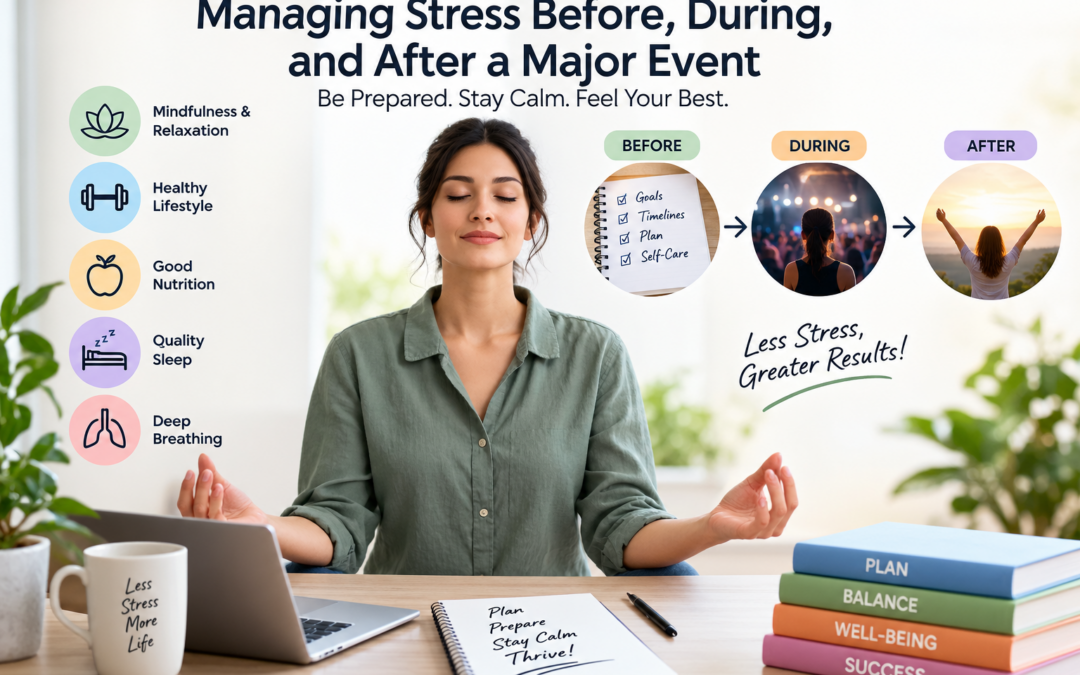
Stress is a natural response to challenging situations, but without proper management, it can become overwhelming. Understanding stress management involves recognizing the symptoms of stress and the triggers that cause them. By doing so, you can devise strategies that help you maintain balance and well-being even in the face of significant challenges.
Effective stress management requires a proactive approach, where you identify stressors beforehand and implement strategies to mitigate their impact. This involves both mental and physical practices that aim to reduce stress hormones and promote relaxation. Techniques such as deep breathing, visualization, and positive thinking are integral parts of a comprehensive stress management plan. Maintaining healthy lifestyle habits as part of this approach may also support overall metabolic health, particularly for concerns such as insulin resistance.
Furthermore, understanding your personal stress responses is crucial. Each person’s reaction to stress is unique, so it’s important to tailor your stress management techniques to fit your specific needs. By doing so, you can ensure that your approach is both effective and sustainable, allowing you to handle stress more effectively over time.
The Importance of Stress Management in Major Events
Major events, whether personal or professional, often come with heightened stress levels. Managing stress during these times is essential, as it can significantly impact your performance and overall experience. Effective stress management not only helps you perform better but also enhances your ability to enjoy the event. Taking care of your overall well-being during stressful periods may also mean paying attention to concerns such as the causes of hair loss in women, particularly when changes in stress levels affect your usual health and self-care routine.
Stress can cloud your judgment, reduce your ability to concentrate, and negatively affect your mood. By managing stress, you can maintain clarity of thought and emotional stability, which are crucial during major events. This enables you to make better decisions, communicate more effectively, and sustain your energy levels throughout the event.
Moreover, managing stress improves your resilience. Resilient individuals can bounce back from setbacks more quickly, maintain a positive outlook, and adapt to changing circumstances. This resilience is particularly important during major events, where unexpected challenges are likely to arise. Maintaining healthy habits, including adequate nutrition and the appropriate use of protein supplements, can also support your overall well-being during demanding periods.
Pre-Event Stress Management Strategies
Preparation is key in managing stress before a major event. One effective strategy is to create a detailed plan outlining your goals, responsibilities, and potential challenges. By having a clear plan, you can reduce uncertainty, which is a common stressor, and instead focus on executing your tasks efficiently. Setting aside time for relaxation, such as unwinding in a sauna steam room, can also be a calming addition to your routine when preparing for a demanding event.
Incorporating relaxation techniques into your daily routine before the event can also be beneficial. Practices such as yoga, meditation, or even a simple walk in nature can help calm your mind and body, reducing pre-event anxiety. These activities increase your mindfulness, allowing you to remain present and focused on the tasks at hand.
Additionally, ensure you maintain a healthy lifestyle leading up to the event. Adequate sleep, proper nutrition, and regular exercise can significantly decrease stress levels. By taking care of your body, you enhance your mental resilience, making it easier to cope with any stress that may arise as the event approaches. For those who enjoy adding skincare to their self-care routine, treatments such as a hydrafacial can also be a simple way to feel refreshed before an important occasion.
Managing Stress During Events
During the event, it’s important to stay adaptable and maintain a positive mindset. One effective technique is to use deep breathing exercises to manage acute stress. Breathing deeply and slowly can instantly calm your nervous system, helping you stay grounded amid the chaos.
Staying organized is another vital strategy. Keep a checklist of your tasks and prioritize them according to urgency and importance. This approach helps you manage your time efficiently and ensures that nothing important is overlooked, thereby reducing stress.
Interaction with others can also be a valuable stress reliever. Take time to connect with colleagues, friends, or family members during the event. These interactions provide emotional support and can offer a fresh perspective, helping you navigate challenges more effectively.
Post-Event Stress Recovery Techniques
After the event, it’s essential to focus on recovery to prevent burnout. Start by reflecting on the event’s outcomes, identifying what went well, and recognizing areas for improvement. This reflection not only aids in personal growth but also helps you prepare for future events with greater confidence.
Engage in activities that promote relaxation and rejuvenation. These can include hobbies, spending time with loved ones, or simply enjoying a day of rest. Such activities help restore your energy levels and reduce residual stress from the event.
It’s also important to practice self-care by continuing healthy habits like balanced nutrition, regular exercise, and adequate sleep. These practices support your body’s natural recovery processes, ensuring you return to your routine feeling refreshed and ready to tackle new challenges.
The Role of Mindfulness in Stress Management
Mindfulness is a powerful tool in managing stress, as it encourages you to focus on the present moment without judgment. By practicing mindfulness, you can reduce anxiety about future events and regret over past actions, which are common sources of stress.
Incorporating mindfulness into your daily routine can be as simple as taking a few minutes each day to focus on your breathing or engaging in mindful meditation. These practices help you develop greater awareness of your thoughts and emotions, allowing you to respond to stressors more calmly and effectively.
Mindfulness also enhances your emotional intelligence, improving your ability to regulate your emotions and empathize with others. This can be particularly beneficial during major events, where maintaining positive relationships and clear communication is crucial.
Developing a Personalized Stress Management Plan
Creating a personalized stress management plan involves identifying your unique stress triggers and responses. Begin by keeping a stress journal where you record situations that cause stress and note your reactions. This can help you identify patterns and areas that require targeted strategies.
Once you’ve identified your stressors, choose techniques that resonate with you and fit your lifestyle. This might include a mix of relaxation exercises, physical activity, and mindful practices. Ensure your plan is flexible, allowing adjustments as your needs and circumstances change.
Regularly review and refine your stress management plan. As you gain experience and your life circumstances evolve, your plan should adapt to continue meeting your needs effectively. This ongoing process will help you maintain resilience and manage stress more efficiently in the long run.
Tools and Resources for Effective Stress Management
Several tools and resources can aid in managing stress effectively. Mobile apps such as Headspace or Calm offer guided meditations and mindfulness exercises that can be easily integrated into your daily routine. These apps provide convenient access to stress-relieving practices, making them ideal for busy schedules.
Books and online courses on stress management techniques can also be valuable resources. They provide in-depth insights and a range of strategies to help you understand and manage stress. Consider exploring materials that align with your interests and preferred learning style for maximum benefit.
Support groups and professional counseling services are worth considering if you require additional help. These resources provide a platform for sharing experiences and gaining support from others facing similar challenges. Professional guidance can offer personalized strategies and insights to enhance your stress management efforts.
Common Mistakes to Avoid in Stress Management
Avoiding common pitfalls in stress management can improve your overall effectiveness. One mistake is neglecting self-care, which can lead to physical and mental exhaustion. Ensure you prioritize activities that support your well-being, even when busy.
Another mistake is attempting to manage stress with unhealthy habits, such as excessive alcohol consumption or overeating. These behaviors might provide temporary relief but ultimately exacerbate stress. Focus instead on healthy coping mechanisms that promote long-term wellness.
Lastly, don’t ignore the importance of seeking help when needed. It’s easy to underestimate the impact of stress, but reaching out for support can provide valuable relief. Whether from friends, family, or professionals, support can enhance your resilience and stress management capabilities.
Conclusion: Embracing Stress Management for Better Outcomes
Embracing stress management is essential for navigating life’s major events and maintaining overall well-being. By understanding stress and implementing effective strategies, you can improve your resilience, performance, and enjoyment of these events.
Developing a personalized stress management plan, enriched with mindfulness and supported by appropriate tools and resources, equips you to handle stress more effectively. Avoiding common mistakes and seeking help when necessary further enhances your ability to manage stress successfully.
By prioritizing stress management, you not only improve your immediate experiences but also lay the foundation for a healthier, more balanced life. Take the first step today by assessing your stress levels and exploring techniques that resonate with you.