
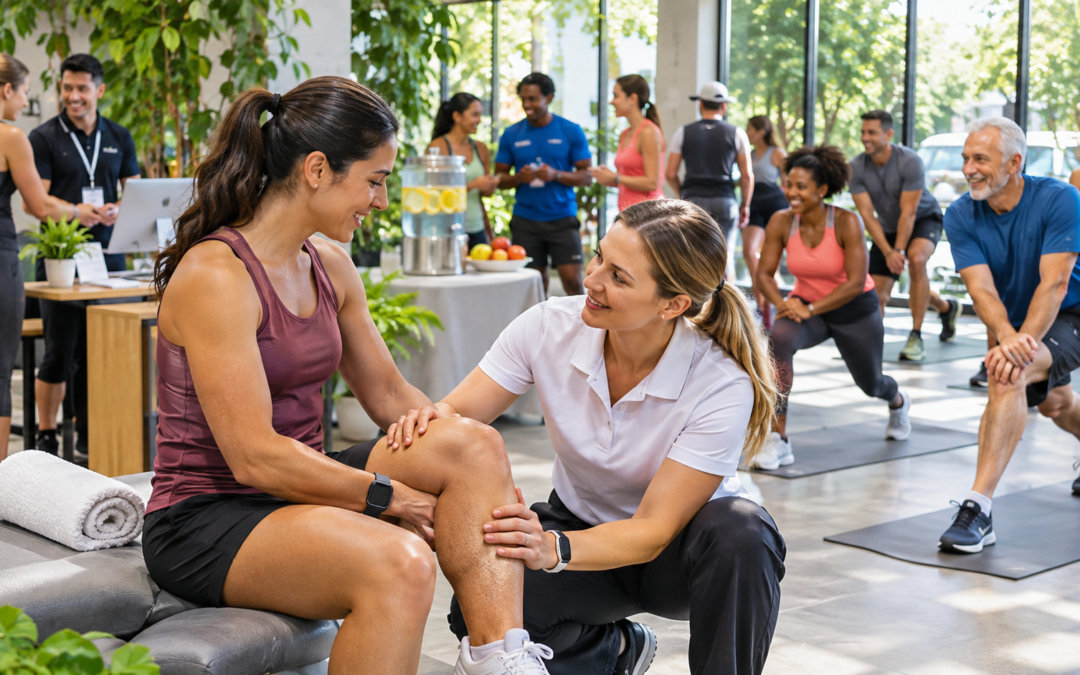
A well-run fitness and rehabilitation event can do more than fill a calendar. It can connect athletes with physiotherapists, help people recover with confidence, and turn a loose group of enthusiasts into a supportive community. Whether you manage a gym, a sports club, a physiotherapy clinic, or a neighborhood wellness group, organizing fitness and rehabilitation events for active communities is one of the most effective ways to build trust, spread health knowledge, and keep people moving.
Why Fitness and Rehabilitation Events Matter
Active communities include runners, cyclists, weekend footballers, yoga practitioners, gym regulars, and people returning to movement after injury or surgery, often through sports injury rehabilitation. Many of them share the same problem: they know how to train, but they are unsure how to recover, prevent injuries, or return to activity safely.
Community fitness events close that gap. They offer:
- Education: Live demonstrations and talks from qualified professionals make injury prevention and recovery practical rather than abstract.
- Access: People who would never book a clinic appointment will often attend a free workshop or screening day.
- Motivation: Group activity builds accountability, which is one of the strongest predictors of sticking with a routine.
- Connection: Participants meet others facing similar challenges, which reduces the isolation that often comes with injury.
For organizers, these events also strengthen your reputation as a trusted local health and wellness resource.
Step 1: Define Your Goals and Audience
Before you book a venue or print a flyer, decide what the event should achieve. Vague goals lead to scattered programs and weak turnout.
Common goals include raising awareness of injury prevention, supporting people in post-injury recovery, introducing new members to your facility, or fundraising for a local cause. Then identify who you are serving. A mobility and recovery morning for adults over 50 looks very different from a sports injury clinic for university athletes.
A quick survey of your existing members or followers helps here. Ask which topics matter most, such as back pain, knee rehabilitation, strength training basics, or stress management, and which days and times work best.
Step 2: Build the Right Team
Fitness and rehabilitation events need both energy and expertise. Assemble a team that covers these roles:
- Event lead: Owns the timeline, budget, and final decisions.
- Clinical or professional lead: A licensed physiotherapist, sports medicine doctor, or certified trainer who reviews all activities for safety.
- Volunteer coordinator: Recruits, briefs, and schedules helpers.
- Marketing and communications lead: Handles promotion, registration, and participant updates.
- First aid support: Trained responders on site throughout the event.
Invite local physiotherapists, personal trainers, nutritionists, occupational therapists, and a diabetes specialist to run sessions, since many participants manage blood sugar alongside their training. Partnerships with clinics, universities, and sports clubs also widen your reach and add credibility.
Step 3: Choose the Right Venue and Layout
The venue shapes the whole experience. Look for a space that is accessible, safe, and flexible. Consider parking, public transport, step-free entry, accessible restrooms, and enough room for people to move without crowding.
A strong event layout often includes:
- A registration and welcome desk
- A main activity area for group classes
- Quiet breakout zones for one-on-one assessments or rehabilitation demonstrations
- An information corner with vendors, sponsors, and educational material
- A rest and hydration area
If you are planning an outdoor event such as a community walk, fun run, or park workout, prepare a weather backup plan, shaded rest areas, and clearly marked routes.
Step 4: Prioritize Safety, Insurance, and Legal Basics
Safety is the foundation of any rehabilitation-focused event. Participants may be managing injuries, chronic conditions, or low fitness levels, so risk management cannot be an afterthought.
- Health screening: Use a short pre-participation questionnaire and encourage anyone with medical concerns to check with their doctor first.
- Waivers and consent: Collect signed participation waivers and, where relevant, consent for photos or data use.
- Insurance: Confirm that your public liability and event insurance cover the activities planned.
- Qualified supervision: Make sure rehabilitation demonstrations and assessments are led only by licensed professionals.
- Emergency plan: Identify the nearest hospital, keep first aid kits and an AED if available, and brief every staff member and volunteer on emergency procedures.
- Inclusive options: Offer low-impact, seated, and beginner alternatives for every activity so no one feels excluded.
Rules on permits, licensing, and professional practice vary by location, so check with your local authorities and a legal adviser before finalizing plans.
Step 5: Design an Engaging Program
The best programs balance movement, learning, and community. Mix active sessions with short educational talks so participants stay energized without being overwhelmed.
Program ideas for fitness and rehabilitation events:
- Guided group workouts: Low-impact cardio, mobility flows, yoga, or functional strength circuits.
- Injury prevention workshops: Warm-up routines, running form, posture, and ergonomics.
- Rehabilitation demonstrations: Safe exercises for common issues like shoulder, knee, or lower back pain.
- Free movement screenings: Brief assessments by physiotherapists to identify mobility limits or imbalances.
- Nutrition and recovery talks: Hydration, sleep, protein intake, how to choose protein supplements wisely, and stress management.
- Panel discussions or recovery stories: Real stories from people who have returned to activity after injury inspire others and normalize the recovery process.
- Family and kids activities: Fun movement games make the event welcoming for all ages.
Keep sessions between 30 and 45 minutes, and schedule breaks so participants can rest, ask questions, and network.
Step 6: Promote Your Event Effectively
Even an excellent program needs an audience. Combine online and offline promotion to reach your active community.
Online promotion
- Create a dedicated event page with a clear title, date, location, schedule, and registration link. Use natural keywords such as “community fitness event” and “rehabilitation workshop” along with your city or neighborhood.
- Share updates on social media with short videos, speaker introductions, and countdown posts.
- Email your member list with a clear call to action and reminder messages.
- List the event on local community calendars, fitness directories, and event platforms.
Offline promotion
- Display posters in gyms, clinics, cafes, libraries, and community centers.
- Partner with local sports clubs, schools, and workplaces to spread the word.
- Ask speakers and partners to promote the event to their own audiences.
Online registration helps you track numbers, plan capacity, and collect participant needs in advance. Send a confirmation email with practical details such as what to wear, what to bring, and accessibility information.
Step 7: Plan Your Budget and Sponsorships
List every expected cost, including venue hire, insurance, equipment, speaker fees, printing, signage, first aid, and refreshments. Then identify income sources such as ticket sales, sponsorships, vendor stalls, or donations.
Local businesses like sports stores, health food shops, physiotherapy clinics, and insurance providers are natural sponsors. Offer them visible but relevant exposure, such as logo placement, a booth, or a mention during the program. Be selective, though. Sponsors should align with your health and wellness mission, and their presence should never compromise the quality of professional advice.
Step 8: Measure Success and Follow Up
What happens after the event matters as much as the event itself. Collect feedback with a short survey asking about the sessions, the venue, and what participants would like next time. Track metrics such as attendance, registration-to-attendance rate, new memberships or inquiries, survey scores, and social media engagement.
Then keep the momentum going:
- Send a thank-you email with photos, highlights, and key takeaways.
- Share recorded talks or simple exercise guides.
- Announce your next event or launch a recurring monthly session.
- Offer a pathway for people who want ongoing support, such as a beginner class or a clinic consultation.
Common Mistakes to Avoid
- Trying to cater to everyone: A focused theme draws a more engaged audience.
- Underestimating safety needs: Always have trained staff and a clear emergency plan.
- Overpacking the schedule: Participants need time to rest and connect.
- Skipping accessibility: Inclusive design widens your community and shows care.
- Ignoring follow-up: Without continued engagement, the benefits of the event fade quickly.
Final Thoughts
Organizing fitness and rehabilitation events for active communities takes planning, collaboration, and genuine care for participants. When you set clear goals, involve qualified professionals, put safety first, and create a welcoming experience, your event becomes more than a one-day activity. It becomes a catalyst for healthier habits, lasting body transformation, stronger relationships, and a more resilient community.
Start small if you need to. A single workshop or group session can build the trust and momentum that grows into a signature annual event. With thoughtful preparation, your next event can help people move better, recover stronger, and stay active for years to come.