
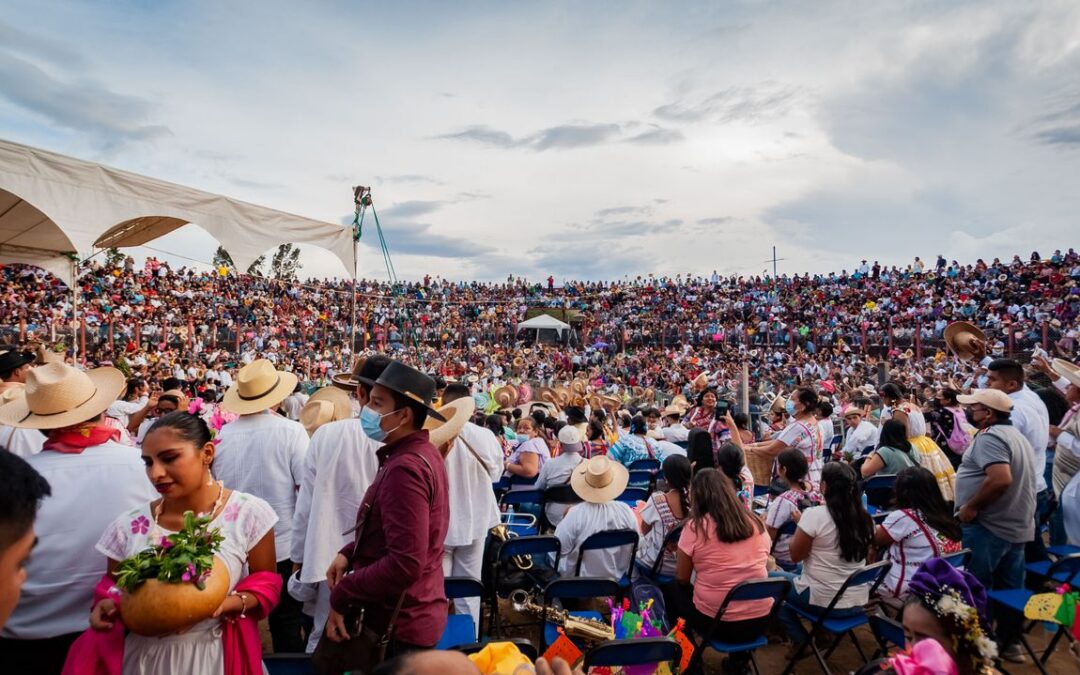
Every September, Mulberry Street fills with cannoli stands, brass bands, and families who return to Little Italy for the Feast of San Gennaro. Apartment listings show square footage and subway lines, but they rarely show who runs the block, who shows up, and what locals care about. That gap explains why the best way to understand a neighborhood is to attend its biggest event. For anyone relocating to New York City, one afternoon at a street fair, parade, or feast can reveal more than a dozen online reviews.
What Can One Event Tell You About a Neighborhood?
A single large event shows how a neighborhood behaves when everyone is outside at once. You see which businesses stay open, which families set up folding chairs early, and whether longtime residents and newcomers mix. Those details are hard to spot during a quiet weekday apartment tour, when the broker does most of the talking.
Every major celebration also carries a story about who built the area. Lunar New Year in Flushing, the West Indian American Day Carnival on Eastern Parkway, and smaller church feasts all reflect the communities behind them. A useful list of cultural festivals and street fairs in NYC you shouldn’t miss covers celebrations from Mulberry Street to Fifth Avenue. Matching those events with the areas you plan to tour takes only a few minutes.
How Does an Event Help When You Are Choosing Where to Live?
An event lets you test a neighborhood against your real daily life before you commit to a lease. Walk from the festival to the nearest subway station. Notice the line at the corner bodega, the noise on the side streets, and whether you would enjoy that energy every year or dread it. A couple touring apartments in Astoria might love a summer street fair but still prefer a quieter block two avenues away.
Big crowds also expose the practical side of a street. Barricades, vendor tents, and double-parked vans show how quickly a block can close to traffic. That view hints at the parking problems worth researching before moving to NYC and choosing a building. Walk-ups, narrow stairwells, and missing loading zones matter just as much as a charming café on the corner.
What Should You Look for Once You Arrive?
The most useful clues come from the people running the event, not the people attending it. Local sponsors, volunteer tables, and block association booths show who organizes daily neighborhood life. As you walk, watch for these signals:
- Community groups handing out flyers for tenant meetings, cleanups, or youth leagues
- Neighborhood restaurants serving food alongside traveling vendors
- Families, seniors, and young renters sharing the same sidewalk
- Shop owners greeting regular customers by name
Food deserves special attention, because vendor stalls often reveal both a district’s cooking traditions and its newest arrivals. Food lovers can compare notes with a roundup of the best food festivals in New York City. Smorgasburg in Williamsburg and the Ninth Avenue International Food Festival in Hell’s Kitchen both show how local flavors shift from block to block.
Why the Best Way to Understand a Neighborhood Is to Attend Its Biggest Event
Residents build the biggest local events, so those events show a neighborhood the way locals want it seen. Street festivals and block parties rarely happen by accident. In New York City, the Street Activity Permit Office issues permits for street festivals, block parties, and farmers markets. Local community boards often weigh in on those applications as well.
That process means organizers usually have deep roots in the area. A parish committee, a merchants’ association, or a cultural society has often run the same event for decades. When you attend, you meet the people who shape local decisions. For a newcomer deciding whether a block could feel like home, that introduction is hard to get anywhere else.
Which NYC Events Are Worth Planning a Visit Around?
The right event depends on the neighborhoods on your shortlist, but a few celebrations stand out for how clearly they express local identity. Try to schedule apartment viewings on the same weekend.
What Should You See in Manhattan?
The Feast of San Gennaro, which Neapolitan immigrants started in 1926, still turns Mulberry Street into an eleven-day tribute to Little Italy’s roots. Greenwich Village shows a very different personality each October. The Village Halloween Parade, a highlight among the best Halloween events in New York City, draws costumed marchers and neighbors up Sixth Avenue after dark.
What About Brooklyn and Queens?
Brooklyn’s West Indian American Day Carnival fills Eastern Parkway every Labor Day and celebrates the Caribbean heritage of Crown Heights. The Atlantic Antic, held each fall along Atlantic Avenue, offers a quick look at Boerum Hill, Cobble Hill, and Brooklyn Heights in one afternoon. In Queens, Lunar New Year celebrations in Flushing show off one of the city’s liveliest commercial districts.
How Can You Follow Up After the Festival Ends?
Pair what you saw with public data before you make a final choice. The NYC Department of City Planning divides the city into 59 community districts, and its Community District Profiles cover housing, demographics, and local budget priorities. Districts range from a little over 50,000 residents to more than 200,000. Two areas that felt similar at a festival may look very different on paper.
Go back on an ordinary Tuesday evening, too. Time the commute at rush hour and look at grocery options within a few blocks. The contrast between a packed feast and a quiet weeknight tells you what everyday life on the block actually looks like.
Let the Block Party Make the Introductions
Listings, maps, and reviews help narrow the search. They cannot replace an afternoon on a crowded street among the people who already live there. That is why the best way to understand a neighborhood is to attend its biggest event: it shows you the culture, the logistics, and the community in one place. Pick one festival near each area on your shortlist, walk it slowly, and let what you notice guide where you sign your next lease.